
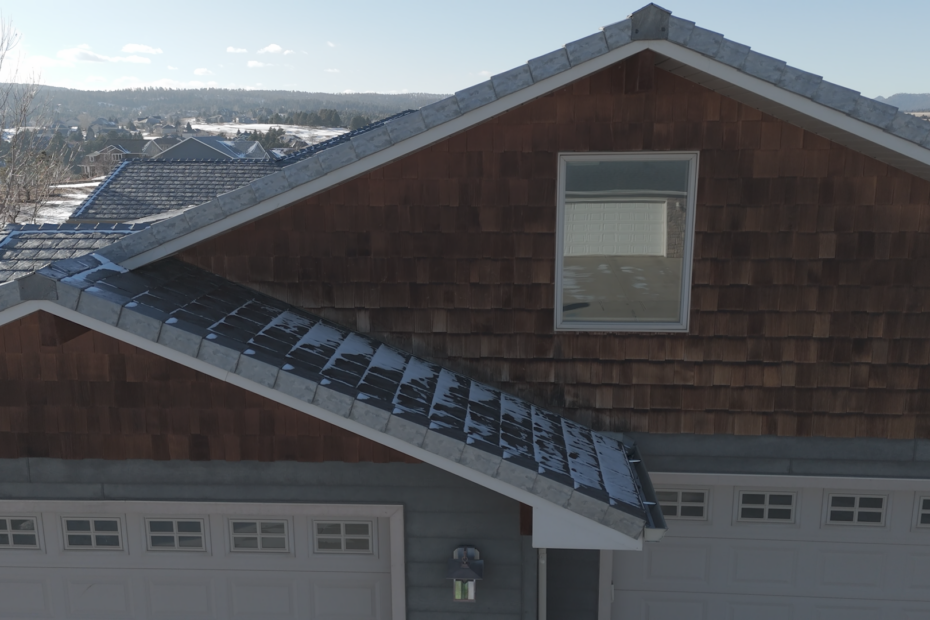
Is Your Roof Ready for Winter?
Winter in the Black Hills can be tough on your home, especially your roof. Between heavy snowfall, freezing temperatures, strong winds, and constant freezing and thawing, your roofing system takes a beating throughout the season.
But how do you know if your roof is ready for another South Dakota winter?
At Weather-Tite Exteriors, we’ve helped homeowners throughout Rapid City and the Black Hills identify roofing problems before they turn into expensive repairs.
Here are 7 warning signs that your roof may need attention before winter arrives.
1. Your Shingles Are Cracked, Curling, or Missing
Your shingles are your roof’s first line of defense against the elements.
Over time, exposure to sun, wind, hail, and temperature changes can cause asphalt shingles to deteriorate.
Watch for:
Shingles curling or lifting at the edges
Cracked or broken shingles
Missing shingles after strong winds
Areas where shingles appear loose or uneven
When shingles become compromised, moisture can find its way underneath your roofing system. Snow and ice can make existing problems worse.
Our advice: Have a roofing professional inspect damaged shingles before winter weather arrives.
2. Your Roof Has Previous Hail Damage
Living in Rapid City means dealing with hailstorms. Unfortunately, not all hail damage is obvious from the ground.
Hail can bruise asphalt shingles, knock away protective granules, and weaken the roofing material.
Even if your roof isn’t leaking today, previous hail damage could make it more vulnerable to future weather.
Signs of possible hail damage include:
Dark impact marks or bruising on shingles
Missing granules in concentrated areas
Dented roof vents or metal flashing
Cracked or fractured shingles
At Weather-Tite Exteriors, our experienced project managers know what to look for when evaluating storm damage. We can help homeowners understand the difference between normal wear and potential hail damage.
Remember: Not every hailstorm means you need a new roof. An honest inspection can help determine the actual condition of your roof.
3. Your Roof Is Getting Older
How old is your roof?
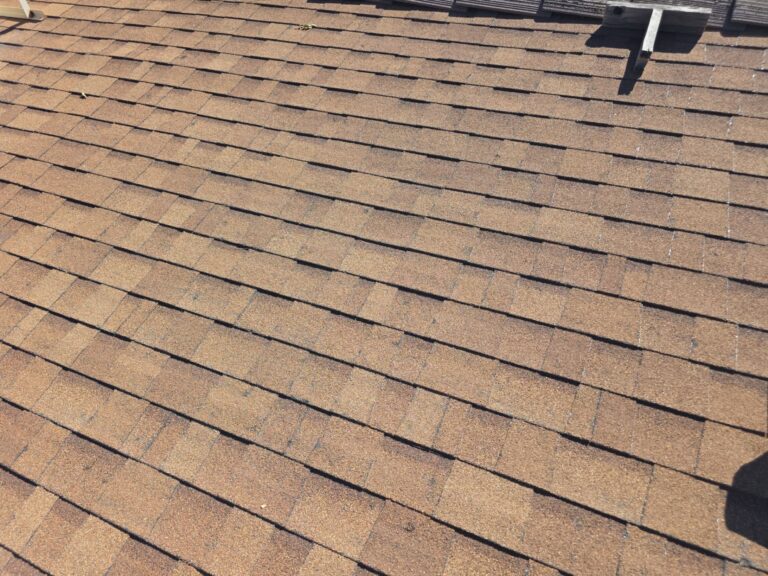
Many asphalt shingle roofs have an expected service life of approximately 20–30 years, depending on the product, installation quality, ventilation, maintenance, and weather exposure.
Here in the Black Hills, severe hail, high winds, and temperature fluctuations can affect how long your roofing materials last.
If your roof is approaching 15–20 years old, it’s a good idea to have its condition evaluated, especially if it has experienced multiple storms.
An older roof doesn’t automatically need replacement. However, understanding its condition can help you plan ahead instead of facing an unexpected roofing emergency.
4. You’re Finding Shingle Granules in Your Gutters
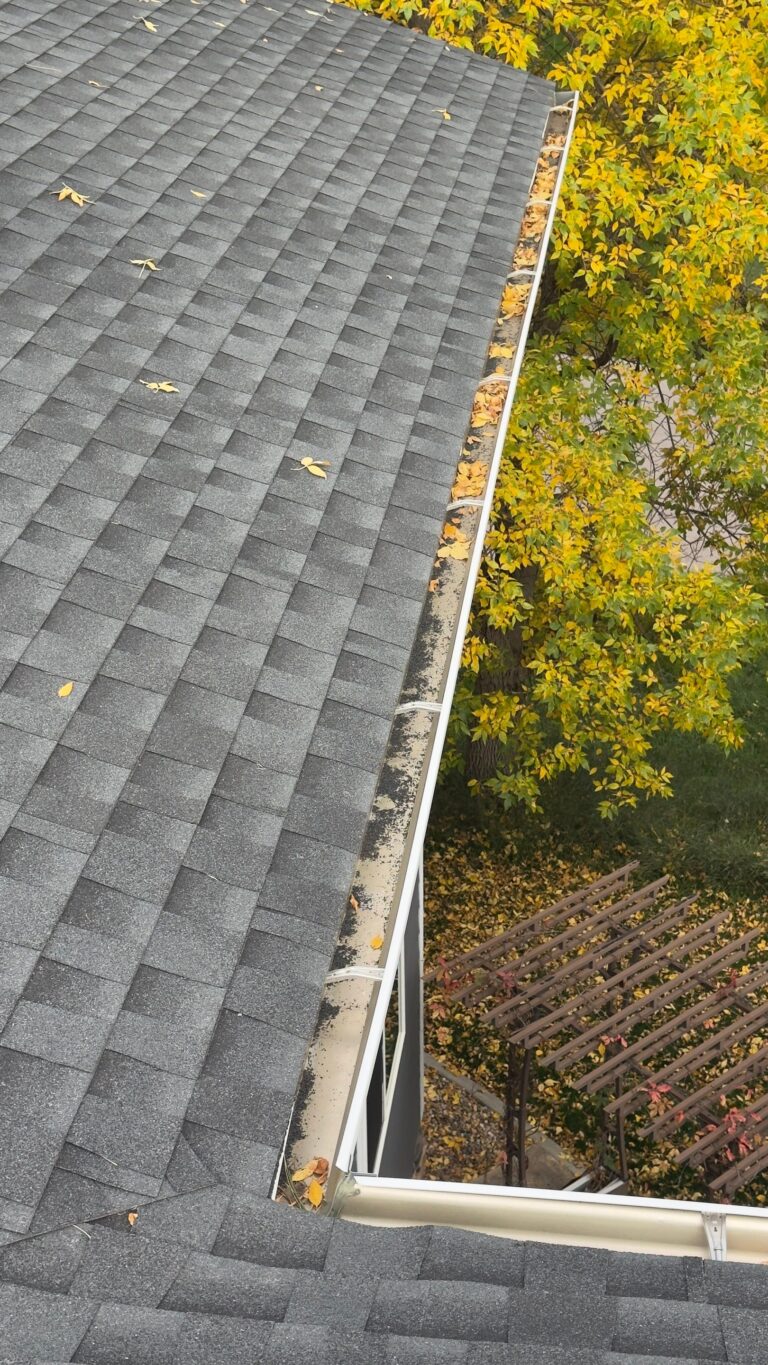
Have you noticed small, sand-like particles collecting in your gutters or near your downspouts?
Those particles may be granules from your asphalt shingles.
Granules help protect the asphalt underneath from sunlight and weather exposure. As shingles age or experience storm damage, they can begin losing granules.
Some granule loss is normal, especially with newer shingles. However, excessive or uneven granule loss may indicate deterioration.
If you’re noticing significant granule buildup, it may be time for a professional roof inspection.
5. You Have Water Stains on Your Ceiling or in Your Attic
A water stain on your ceiling is something you should never ignore.
Water intrusion can be caused by damaged shingles, deteriorated flashing, improperly sealed roof penetrations, or other roofing issues.
During winter, snow accumulation and ice dams can make existing vulnerabilities more noticeable.
Warning signs include:
Brown or yellow ceiling stains
Damp insulation in your attic
Water marks around vents or chimneys
Peeling paint near ceiling edges
Musty odors or visible moisture
A roof leak doesn’t always mean you need a complete replacement. Sometimes, a targeted repair is all that’s necessary.
The important thing is identifying the source before additional damage occurs.
6. Your Roof Has Experienced Repeated Wind Damage
South Dakota is no stranger to strong winds.
Over time, repeated wind exposure can loosen shingles, damage ridge caps, and compromise flashing around vulnerable areas of your roof.
Even a few missing or lifted shingles can create opportunities for water intrusion.
If you’ve had shingles blow off in previous storms or have needed repeated repairs in the same area, it may be time to evaluate the overall condition of your roofing system.
A professional inspection can help determine whether repairs will provide a lasting solution or whether replacement makes more sense.
7. You Haven’t Had Your Roof Inspected in Years
One of the biggest mistakes homeowners make is assuming their roof is fine simply because they haven’t noticed a leak.
The truth is, roofing problems can develop long before water becomes visible inside your home.
A professional roof inspection can identify:
Damaged or deteriorating shingles
Loose or compromised flashing
Signs of hail and wind damage
Vulnerable roof penetrations
Potential moisture intrusion
Other areas that may require maintenance
A roof inspection gives you a better understanding of your roof’s current condition and helps you prepare for the winter months ahead.
Is Your Roof Ready for Another Black Hills Winter?
Your roof protects your home, your belongings, and the people inside it. Taking a proactive approach to roof maintenance can help prevent small problems from turning into costly repairs.
At Weather-Tite Exteriors, we believe homeowners deserve honest answers, not high-pressure sales tactics.
Our experienced project managers take the time to evaluate your roof, explain what they find, and help you understand your options.
Whether your roof needs a minor repair, ongoing maintenance, or a full replacement, our goal is to help you make an informed decision.