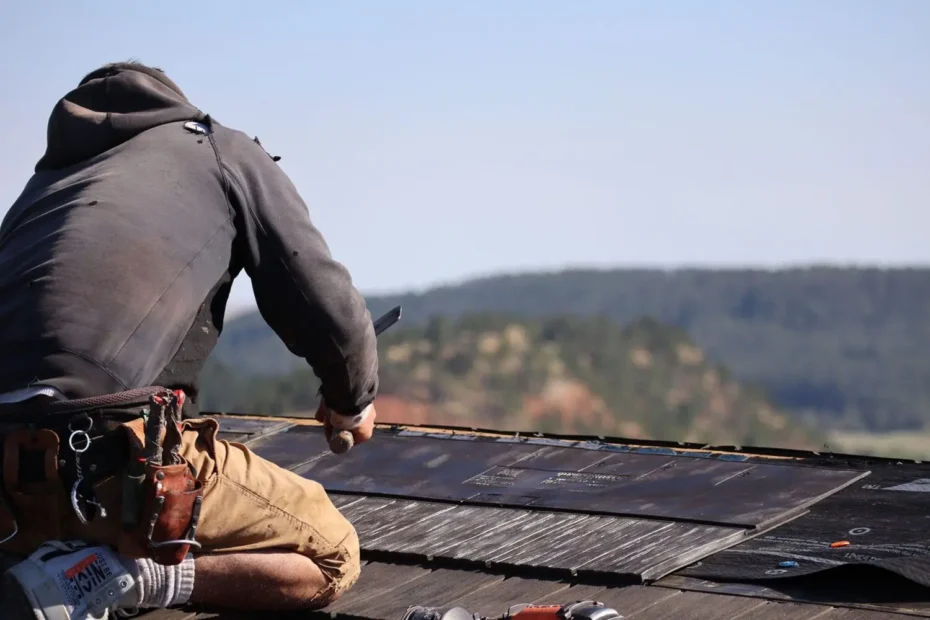
Living in Rapid City means your roof takes a beating. Wind, hail and heavy snow can wear down shingles and underlayment, leaving many homeowners wondering whether a simple repair will suffice or if it’s time for a complete replacement. At Weather‑Tite Exteriors, we field this question daily, so here’s a breakdown of what each option entails, how to decide, and why premium products like Malarkey and Euroshield might make sense for your home.
Roof Repair vs. Roof Replacement
A roof repair targets specific problems such as missing shingles, cracked flashing, or small leaks. Repairs are faster and less expensive because they address localized damage while the rest of the roofing system remains sound. They’re ideal for newer roofs or isolated issues but multiple small repairs can add up over time.
A roof replacement means stripping away all existing materials—shingles, underlayment and flashing—and installing a completely new system. Replacements restore structural integrity, improve ventilation and offer decades of protection, making them appropriate for older roofs, widespread deterioration or major storm damage.
Key factors to consider
- Age: Repairs make sense when your roof is 10–15 years old or less, while replacements are often needed when it’s 20 years or older.
- Extent of damage: Localized problems (a few missing shingles or one leak) usually warrant repair; multiple leaks or large failing sections suggest replacement.
- Cost: If repair costs exceed about 30% of a replacement quote, investing in a new roof may be more cost‑effective.
- Appearance & efficiency: Uniform‑looking roofs without sagging can often be repaired, but if shingles are faded, curling, or cracked, replacement may be necessary. Old roofs with poor ventilation may also be a red flag.
- Future plans: If you plan to sell soon, a repair can maintain curb appeal; if you’ll stay long‑term, a replacement offers better ROI and peace of mind.
Signs pointing toward repair or replacement
- Minor leaks or missing shingles: Quick repairs—re‑sealing flashing or replacing a few shingles—restore protection, but recurring leaks signal deeper issues.
- Widespread water damage or mold: Moisture trapped beneath shingles can lead to mold, rot, and structural weakening, often necessitating a full replacement.
- Storm or hail damage: Strong winds may lift shingles and hail can crack protective granules, exposing weak spots. After a storm, schedule an inspection; a professional can determine whether isolated repairs or a full replacement is needed. We offer free inspections to determine your best option.
- Aged or curling shingles: When asphalt shingles curl, cup or crack, it’s a clear sign the roof is nearing the end of its lifespan.
- Frequent leaks and sagging decks: Multiple leaks, sagging decking or daylight visible in the attic indicate a failing roofing system.
What homeowners insurance covers (and doesn’t)
Homeowners insurance is designed to pay for sudden, accidental damage—not normal wear, age, or neglect. Policies typically cover damage caused by perils like wind, snow, hail, lightning and falling objects. When roof damage is due to a covered event, your insurer will generally help repair or replace the roof up to your coverage limit, minus your deductible.
Insurance usually does not cover damage from insects, rodents, rust, mold or rot—these are considered maintenance issues. It also excludes normal aging; roofs have a finite lifespan, so replacements caused by wear and tear aren’t typically reimbursed.
When to file a claim
You should consider filing a claim when:
- Damage is substantial or may have weakened the roof structurally.
- A recent storm (wind, hail, ice or snow) caused the damage.
- Repair costs exceed your deductible.
- You’re within the insurer’s filing window, which can range from 30 days to over a year depending on the policy.
Working with a certified roofing contractor ensures accurate documentation, timely temporary repairs and proper communication with your insurance adjuster.
Can the right roofing material lower my premiums?
Yes, some insurers offer discounts for installing impact‑resistant roofs. The GAF guide notes that using Class 3 or Class 4 rated roofing products can reduce homeowner premiums. An impact-resistant designation may also qualify you for discounts or grants in certain states (availability varies). Materials like Malarkey shingles and Euroshield rubber roofs carry Class 4 ratings, meaning they perform exceptionally well against hail and high winds, attributes that insurance companies view favorably.
Spotlight on Malarkey Roofing Products
Malarkey Roofing Products manufactures high‑performance asphalt shingles engineered with polymer‑modified asphalt. Their formula combines synthetic rubber and recycled materials to improve flexibility, strength, and weather resistance. Contractors choose Malarkey because the shingles offer high impact resistance, strong wind warranties, enhanced installation features and sustainable materials.
Why Malarkey stands out
- Durability & impact resistance: All Malarkey shingles use polymer‑modified asphalt technology, giving them better flexibility and resistance to cracking than traditional asphalt.
- Vista shingles – a popular choice: The Vista line boasts Class 4 hail impact resistance, SBS polymer modified asphalt for added flexibility, smog‑reducing granules, a larger nailing zone and improved tear strength. These features make Vista shingles ideal for hail‑prone areas like the Black Hills.
- Environmental benefits: Malarkey incorporates recycled rubber and plastic into their shingles, reducing landfill waste. The smog‑reducing granules help convert smog gases into water‑soluble particles, equivalent to planting about two trees per roof.
Spotlight on Euroshield Rubber Roofing
Euroshield shingles are made from 95 % recycled rubber and plastic, giving them the ability to absorb hail impacts without cracking or denting. They carry an industry‑leading hail‑proof warranty: all products are guaranteed against damage from hail up to two inches in diameter, and some models cover hail up to four inches. If hail ever does cause damage within coverage limits, the company will replace the affected sections.
Why Euroshield shines
- Impact absorption & flexibility: Euroshield flexes under impact and returns to its original shape, unlike asphalt and metal that crack or dent.
- High wind resistance: Rated to withstand winds up to 180 mph, it’s one of the most wind‑resistant roofing materials available.
- Longevity & low maintenance: Euroshield roofs last 50 + years and require minimal maintenance.
- Environmental stewardship: Made from recycled materials and energy‑efficient, Euroshield helps keep tires out of landfills and reduces cooling costs.
- Insurance benefits: With Class 4 impact resistance and outstanding hail warranties, Euroshield may help homeowners obtain lower insurance premiums or avoid frequent claims.
Making the right choice for your home
Ultimately, deciding between a repair and a replacement depends on your roof’s age, condition, and your long‑term goals. In many cases, a thorough inspection by a certified roofing professional is the best first step. Weather‑Tite Exteriors can assess the damage, provide transparent recommendations and work directly with your insurance company to streamline claims and maximize your benefits.
By investing in high‑impact materials like Malarkey Vista shingles or Euroshield rubber roofing, you not only protect your home against Rapid City’s extreme weather but may also qualify for insurance discounts. These products offer durability, sustainability and peace of mind that standard asphalt shingles can’t match.
Ready to talk roofs?
If you’re facing leaks, hail damage or simply an aging roof, reach out to Weather‑Tite Exteriors for a free inspection and personalized advice. Whether a minor repair or a full replacement is the best path forward, we’ll help you navigate insurance claims and choose materials that keep your home safe and energy‑efficient for decades to come.